
19 Dec
Eldar Iskenderov, Oil Measurement Engineer at KCP — On the Profession, Responsibility, and Family Roots
2025 has been declared the Year of Blue-Collar Professions in Kazakhstan, highlighting the role of specialists who ensure stable and uninterrupted operation of key economic sectors. One such profession remains oil metering engineer – a specialist who directly ensures accuracy and reliability of hydrocarbon transportation processes.
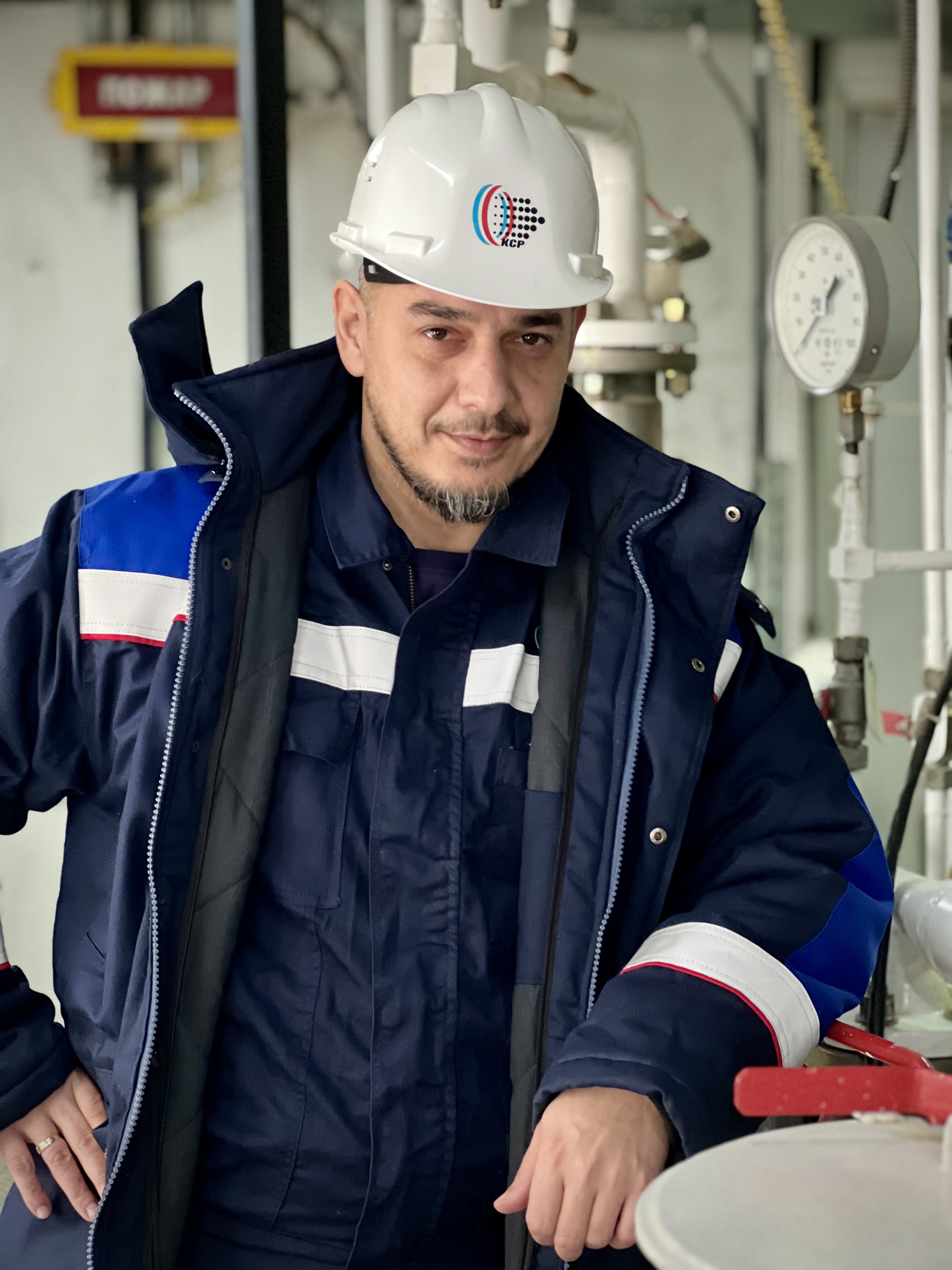
Eldar Iskenderov, an oil metering engineer at Kazakhstan-China Pipeline LLP, has worked in oil and gas industry for over 15 years. He was born and raised in Karaganda in the family of an oil industry worker. He says his respect for work, discipline, and responsibility was ingrained in him from childhood and largely determined his career choice. Eldar Iskenderov has a multidisciplinary education. He graduated from Karaganda Economic University of Kazakh Consumer Union with a degree in law, then with honors from Karaganda State Industrial University with a degree in standardization, metrology and certification. He later earned a bachelor's degree in petroleum engineering from Bolashak University in Kyzylorda.
According to him, combination of a humanities and technical education has become a significant advantage in his professional career. Eldar Iskenderov began his career in oil and gas industry in 2008, working in the field of cathodic protection of oil pipelines. In 2010, he joined Kazakhstan-China Pipeline LLP, where he began as a laboratory operator. He subsequently developed his skills and, since 2013, has worked as an oil metering engineer at SouthOil acceptance point of Kenkiyak-Kumkol main pipeline.
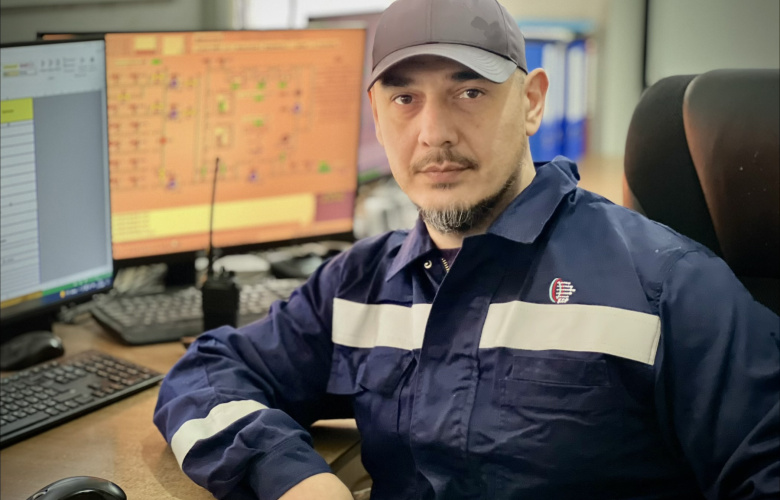
An oil metering engineer's responsibilities include receiving commercial oil, overseeing operational acceptance and delivery operations, participating in sampling and chemical analysis testing and monitoring oil quality compliance with state standards. As the specialist notes, there are no trivial details in this job – every single number impacts the entire transportation system. Eldar Iskenderov's father, who dedicated more than four decades to oil and gas industry, had a particular influence on his professional development.
"My father never taught me with words," says Eldar Iskenderov. "He taught me with actions. He showed me that responsibility begins with little things, that mistakes are okay but negligence is unacceptable. His professional standards remain a benchmark for me to this day," Eldar shares.
The engineer says he doesn't remember his first day on the job in detail but the feeling of responsibility remains with him. It was crucial not to make mistakes or let his colleagues down. His first shift felt both short and endless – the work required complete concentration and a serious approach. Over the years, he gained experience and confidence, which help him make decisions quickly and accurately, even in challenging situations. Eldar admits that, like many specialists, he had considered changing careers. He considered entrepreneurship and other careers, but oil industry, he says, "remains in my blood," despite its complexity and high level of responsibility. His family provides significant support in his professional activities. His wife is understanding of his shift schedule, taking care of household chores during his absence. His son also understands his father's work, although each separation is difficult. Returning home after a shift, according to the engineer, becomes an important moment that gives meaning to the work days.
"Work shapes character and family shapes a person. If you can maintain a balance between the two, then you're doing it right," he believes.
Speaking about his son's future, Eldar Iskenderov notes that he doesn't have rigid expectations. The main thing is to make a conscious career choice—regardless of whether he continues the family dynasty or chooses a different path. According to the specialist, blue-collar jobs remain the foundation of economy. From oil production and processing to its transportation, all processes rely on the labor of individuals. Today, being part of oil industry means contributing to the country's stability and development. At the same time, demands for quality, safety and precision are constantly growing, and with them, so does the responsibility of each specialist.